
How International Brands Navigate Guangzhou Cosmetic OEM Sourcing and Regulatory Compliance
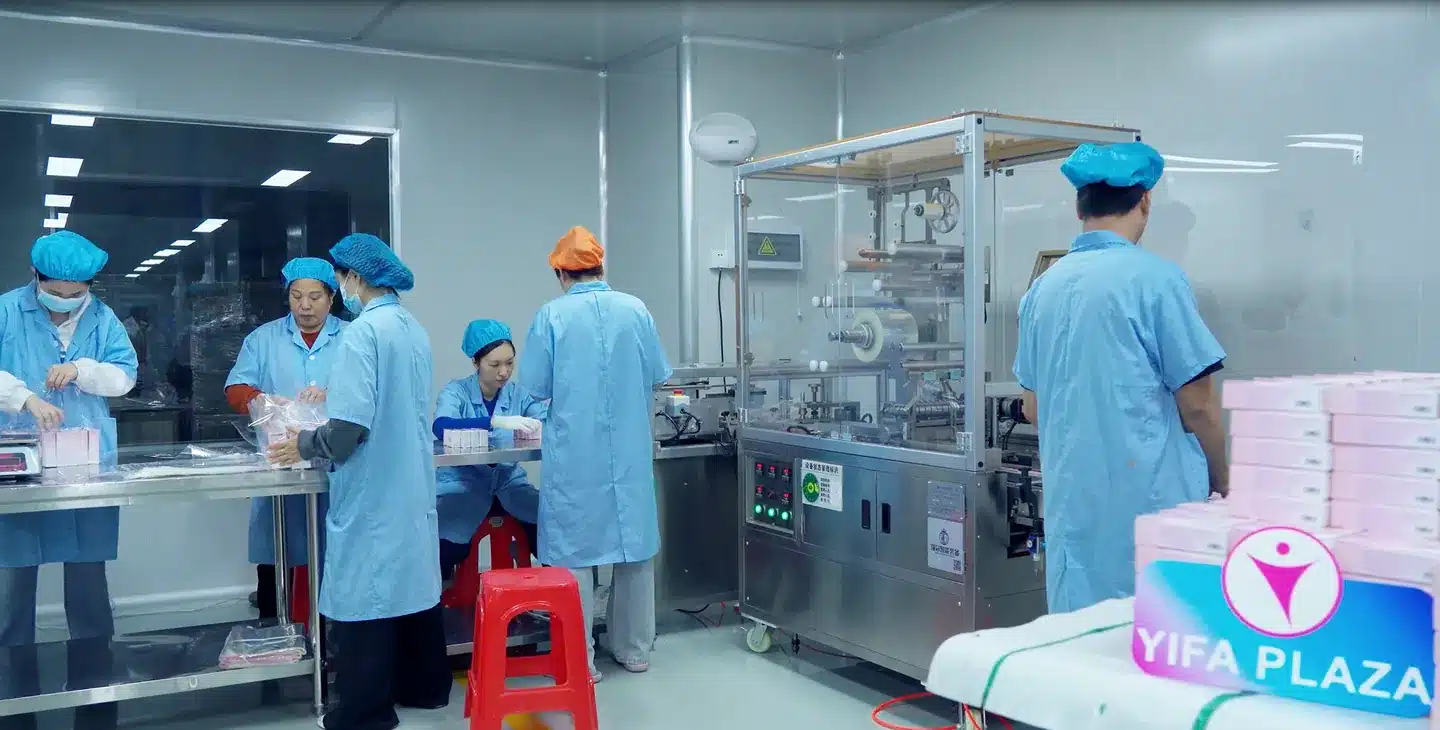
Guangzhou cosmetic OEM sourcing works best when the buyer controls three workstreams from the start: product specification, packaging validation and destination-market compliance. The factory manufactures the product, but the brand owner still needs to define the brief, approve samples, confirm test requirements and assign the correct regulatory responsibilities.
The practical sequence is straightforward: prepare the product brief, screen the factory, lock the formula and packaging, approve a pre-production sample, complete testing and documentation, inspect the finished batch, then release the shipment.
Key takeaways
- Choose the sourcing route before requesting prices. Stock products, private label and custom OEM require different budgets, development work and order quantities.
- Audit the legal manufacturer, not only the sales company. Match the business licence, factory address, quality certificates and bank beneficiary.
- Approve the formula and packaging as one system. A stable formula can still fail when paired with an unsuitable pump, liner, bottle or decoration process.
- Define tests and acceptance criteria in writing. There is no single temperature cycle, centrifuge setting or drop height that is appropriate for every cosmetic product.
- Start compliance work before mass production. EU and US requirements affect ingredient review, label text, responsible-party details and the documents requested from the factory.
- Do not release the final payment on photographs alone. Use batch documents, retained samples and a pre-shipment inspection against the approved specification.
Which sourcing route fits the project?
| Sourcing route | What is normally customised | Planning MOQ | Planning lead time | Best suited to |
|---|---|---|---|---|
| Wholesale or stock product | Existing product and packaging; limited label changes | 100–500 units | 7–15 days | Market testing, small wholesale orders and fast replenishment |
| Private label | Existing formula with the buyer's label, carton and selected stock packaging | 500–1,000 units | 15–30 days | New brands that need moderate differentiation without full R&D |
| Custom OEM/ODM | Formula, shade, fragrance, packaging decoration and possibly moulds | 3,000–5,000+ units | 35–50 days | Established briefs, proprietary positioning and larger launches |
These figures are procurement planning ranges, not a fixed YIFA PLAZA price list. Actual MOQ and lead time depend on formula batch size, component MOQs, decoration method, testing scope, production capacity and the number of SKUs. Ask the supplier to quote each line item separately.
A seven-step Guangzhou cosmetic OEM sourcing workflow
1. Build a factory-ready product brief
A request for “a premium anti-ageing serum” is not sufficient for an accurate quotation. The first brief should state:
- Product type and intended use
- Target market and sales countries
- Target claims and claims that must not appear
- Preferred texture, colour, fragrance and finish
- Key ingredients, restricted ingredients and allergen requirements
- Fill volume and target packaging format
- Unit quantity by SKU
- Target ex-works cost and launch date
- Required tests, documents and third-party inspections
- Artwork languages and label ownership
Share reference products for texture or packaging direction, but do not ask a factory to copy protected branding, artwork or patented components.
2. Shortlist the legal manufacturer
Confirm who will manufacture, fill and release the product. A supplier may operate as a manufacturer, trading company, brand owner or a combination of these. Request the documents needed to identify the contracting and manufacturing entities:
- Business licence showing the registered company name and address
- Cosmetics production licence where applicable
- Current ISO 22716 or GMP audit certificate and its scope
- Factory address and production categories covered by the audit
- Recent audit report or corrective-action summary when available
- Bank account beneficiary matching the contracting entity, or a written explanation of the relationship
- Export history for the relevant product category and destination market
ISO 22716 provides GMP guidance for cosmetic production, control, storage and shipment. A certificate is useful evidence, but it does not replace a product-specific technical review or destination-market assessment.
Use the YIFA PLAZA manufacturer matching process to compare suppliers by product capability, MOQ, documentation and export-market experience. Before approving the shortlist, verify a cosmetic manufacturer in China against the actual company, facility and documents.
3. Select and approve the formula
There are two main development routes:
Existing formula: The factory provides a formula already used in production. It is faster and generally has a lower development cost, but the buyer must still review the ingredient list, claims, test history and market suitability.
Custom formula: The laboratory develops or modifies the formula against a written brief. Agree in advance on sample rounds, development charges, ownership, confidentiality, allowed substitutions and the change-control process.
Put development responsibilities into the quotation
A supplier's offer to develop a formula can cover an adjustment to an existing base or a separate formulation project. Ask what will be delivered before comparing the price.
| Decision | What to record with the supplier |
|---|---|
| Formula access and permitted use | Whether you receive the full formula, a specification or finished goods only, and what use is agreed |
| Custom development | The changes included, sample revisions and any separate development charges |
| Ingredient changes | Who proposes a substitute, who approves it and which checks must be repeated |
| Evidence and files | Which documents relate to the proposed formula, who commissions new work and what the buyer receives |
| Repeat orders | The approved formula version, component references and how changes will be communicated |
If the manufacturer also sells its own brand, discuss any overlap with your intended range. Record confidentiality, agreed exclusivity and ownership of artwork or tooling separately. A custom label alone does not establish those arrangements.
For each approved sample, record the formula or sample code, date, colour, odour, viscosity or other relevant specification, packaging used and signed approval. Keep an unopened reference sample.
4. Validate the packaging before bulk filling
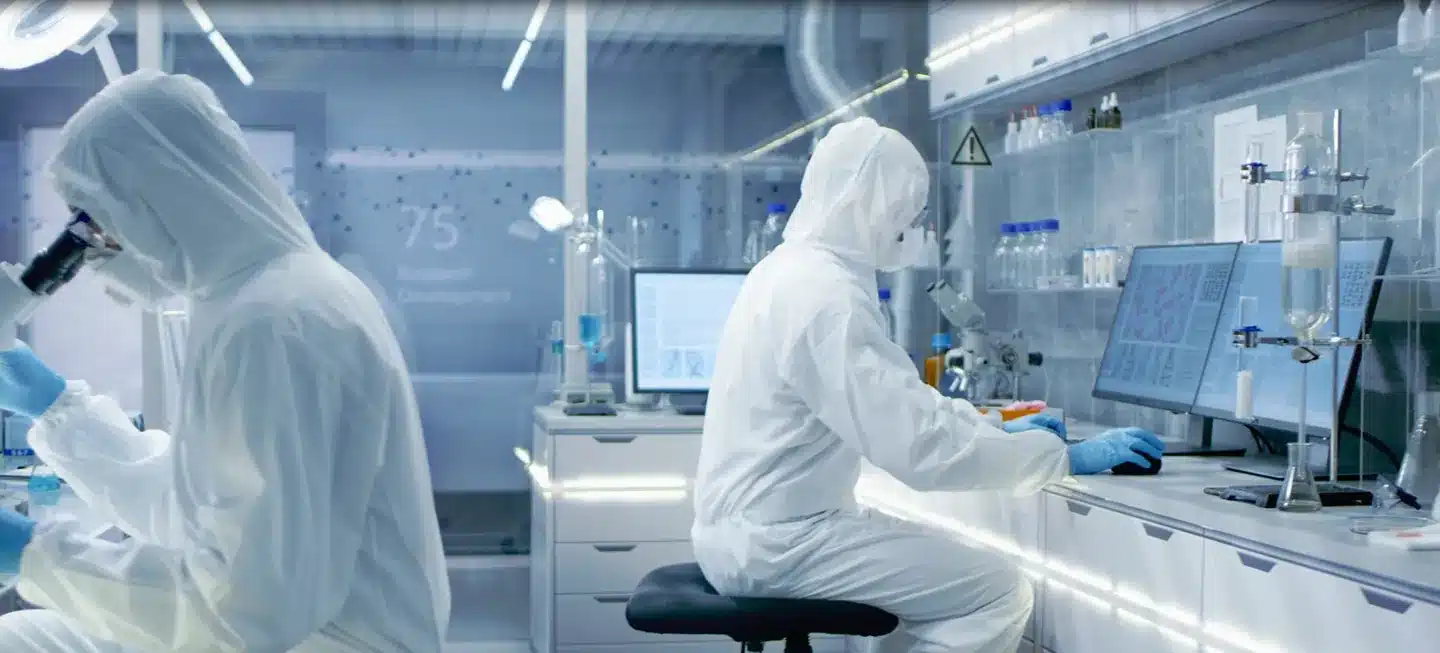
The bottle, closure, pump, liner, decoration and formula must be evaluated together. Request a compatibility plan that reflects the product type and expected transport and storage conditions.
The written plan should identify:
- Test samples and component batch numbers
- Storage orientations
- Temperature and light conditions
- Test duration and inspection intervals
- Leakage, weight-loss and dispensing checks
- Colour, odour, viscosity and appearance limits
- Decoration adhesion and abrasion checks
- Drop or transport simulation requirements
- Pass/fail criteria and report format
Conditions such as a -10°C to 45°C cycle, a centrifuge test at 3,000 rpm for 15 minutes or a 1.2-metre drop test can be useful in a supplier protocol, but they are not universal requirements. The final method must reflect the formula, pack design, sales market and distribution route.
Do not authorise mass-produced cartons or decorated components until the formula-packaging combination has been reviewed and the artwork proof has been signed.
5. Assign compliance responsibilities by market
European Union
Before an EU cosmetic product is placed on the market, the project normally needs an EU Responsible Person, a Product Information File, a Cosmetic Product Safety Report, compliant labelling and notification through the Cosmetic Products Notification Portal. Regulation (EC) No 1223/2009 is the main EU framework for finished cosmetic products.
The factory should be able to supply accurate formula and manufacturing information, but the EU Responsible Person and qualified safety assessor control the final regulatory assessment and notification. Do not treat a CPNP notification as product approval.
Request, as applicable:
- Full quantitative formula for the safety assessor under confidentiality
- INCI list and raw-material specifications
- Safety Data Sheets where relevant
- Certificates of Analysis for agreed materials or finished batches
- Fragrance allergen and IFRA documentation where applicable
- Microbiological, stability, compatibility and preservative-efficacy results appropriate to the product
- Manufacturing method and GMP statement
- Packaging specifications and label artwork
- Claims support files
United States
Under MoCRA, facilities that manufacture or process cosmetics for US distribution generally must register with FDA and renew registration every two years, subject to applicable exemptions. The responsible person named on the label generally must list each marketed cosmetic product and update that listing annually. Registration and listing are not FDA approval, and FDA does not issue registration certificates for promotional use.
The US project plan should also address safety substantiation, adverse-event procedures, label content and the US contact or responsible-person arrangements required for the specific product and business structure.
YIFA PLAZA can coordinate document collection from the selected manufacturer. It does not replace the buyer's EU Responsible Person, US responsible person, safety assessor or regulatory adviser unless a separate written agreement explicitly assigns that role.
6. Lock the production specification and quality plan
The purchase order should refer to a controlled specification rather than only a product name. Include:
- Approved formula or sample code
- Fill weight or volume and permitted tolerance
- Finished-product appearance, odour and relevant physical limits
- Component codes, colours, materials and decoration files
- Barcode and batch-code position
- Carton, case pack and shipping-mark requirements
- Required batch documents
- Inspection method, sampling plan and defect definitions
- Rules for substitutions, rework and deviations
- Incoterm, delivery point and document deadline
Any post-approval change to raw materials, formula, component supplier, decoration, manufacturing site or test method should require written buyer approval.
7. Inspect the batch before shipment
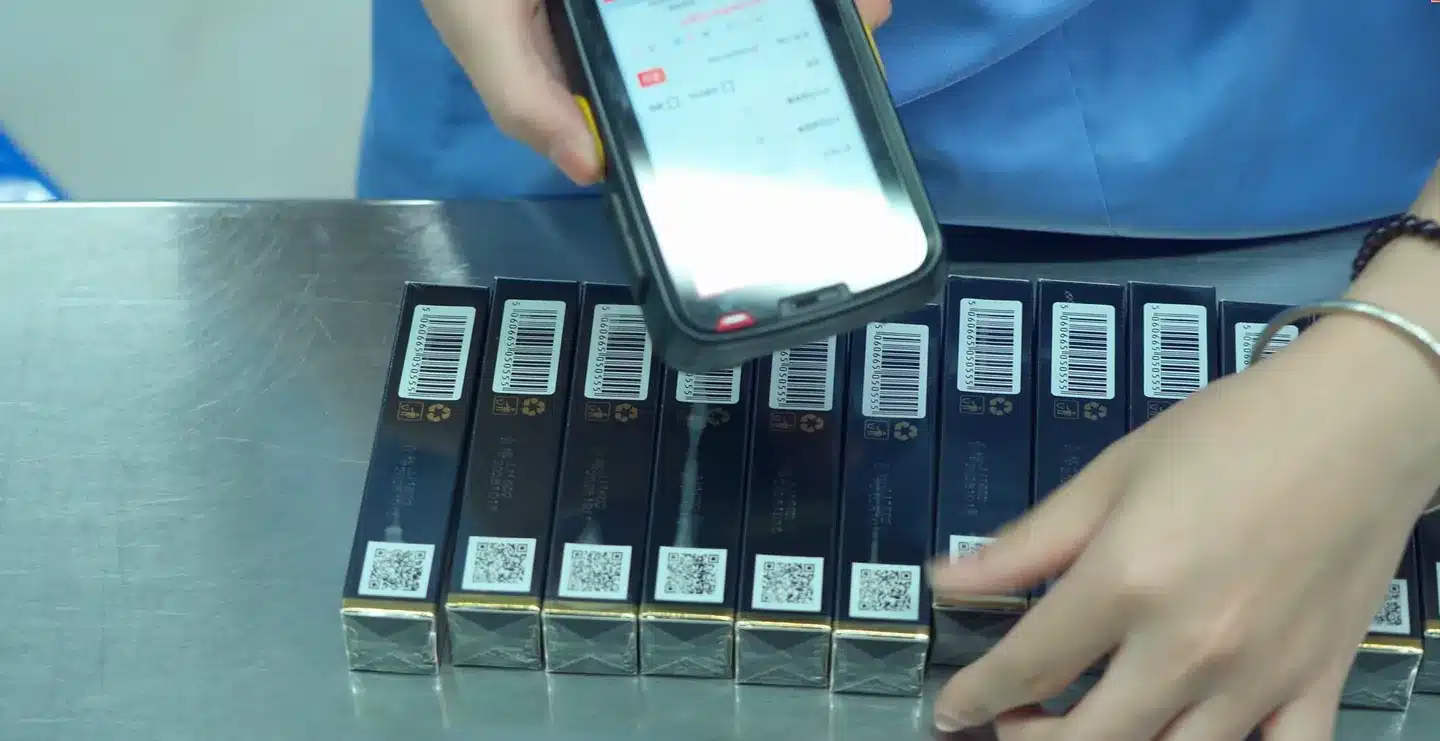
Complete the inspection when the order is fully packed and before the balance payment or shipment release. The inspection scope should match the signed quality plan and may include:
- SKU, quantity and assortment
- Product and packaging appearance
- Fill-weight or fill-volume checks
- Pump, spray, dropper or closure function
- Leakage and seal integrity
- Label, barcode and batch-code accuracy
- Unit carton and master-carton condition
- Agreed batch records, COA and test reports
- Comparison with the sealed approval sample
Photographs are supporting evidence, not a substitute for a defined sampling plan and recorded results.
Documents to request before paying the deposit
| Document or record | Why the buyer needs it | What to verify |
|---|---|---|
| Business licence | Identifies the contracting entity | Legal name, address and validity |
| Production licence | Confirms authorised manufacturing scope where applicable | Product categories and manufacturing address |
| ISO 22716/GMP evidence | Supports the factory quality review | Issuer, scope, site, issue date and expiry date |
| Product quotation | Fixes the commercial basis | Formula route, packaging, decoration, MOQ, tooling, tests and Incoterm |
| Sample approval record | Creates the production reference | Sample code, version, date and signed acceptance |
| Formula and INCI documents | Supports ingredient and regulatory review | Version control, completeness and confidentiality terms |
| Packaging specification | Controls component quality | Material, dimensions, colour, finish and tolerances |
| Test plan | Defines risk controls before production | Conditions, duration, sample count and acceptance criteria |
| Quality agreement | Allocates change control and release duties | Deviations, rework, claims, retained samples and records |
Common sourcing failures and how to prevent them
Quotation excludes packaging or testing
Ask for a cost breakdown covering formula, primary packaging, decoration, carton, mould or plate charges, testing, inspection and freight preparation.
Buyer approves a formula but not the final pack
Run compatibility work with production-equivalent components. A laboratory jar or temporary pump is not an approval of the final pack.
Certificate belongs to another company or site
Compare the certificate name and address with the business licence, purchase contract, factory visit and bank details.
Compliance starts after production
Have the responsible person or regulatory adviser review the formula and label before printing components or producing bulk goods.
Verbal changes are not recorded
Use numbered specifications and artwork versions. Confirm every approved change in writing and identify which earlier version it replaces.
Frequently asked questions
What is the typical sample turnaround time for a Guangzhou skincare OEM project?
An existing formula sample can often be prepared in 2–3 business days. A custom adjustment may take 5–7 business days for the first round. Complex actives, colour matching, fragrance work, packaging trials or repeated revisions will extend the schedule. Confirm the sample date after the laboratory accepts the complete brief.
What is a realistic MOQ for private label cosmetics in Guangzhou?
For planning, stock products may start around 100–500 units, private label projects around 500–1,000 units and custom OEM projects around 3,000–5,000 units or more. The binding MOQ is the highest applicable minimum among the formula batch, bottle, pump, decoration and printed packaging.
Does an ISO 22716 certificate prove that a product is compliant in the EU or US?
No. ISO 22716 addresses GMP guidance for production, control, storage and shipment. Product compliance still depends on the formula, safety evidence, label, claims, responsible-party arrangements and market-specific filings.
Does YIFA PLAZA complete EU CPNP or US FDA submissions?
YIFA PLAZA can coordinate formula, COA, SDS/MSDS, manufacturing and packaging documents from the selected supplier. The appointed EU Responsible Person or US responsible person should control the applicable filing and confirm that the dossier is complete.
Is an FDA facility registration certificate proof of approval?
No. FDA states that cosmetic facility registration and product listing are not an approval programme, and FDA does not issue certificates for promotional use.
When should the buyer book a third-party inspection?
Book it before the contractual shipment date and schedule the visit when production is complete and the goods are packed. The inspector needs the approved sample, specification, defect classifications, quantity list and packaging requirements before the inspection.
Plan a sourcing visit or supplier shortlist
Separate the showroom meeting from the production visit
The 2023 Guangzhou Cosmetics Industry White Paper described a concentration of manufacturing in northern Baiyun and trading activity further south. For a sourcing visit, that distinction is a useful starting point: seeing products at a market or showroom is a different task from reviewing the site that will make your order.
Before confirming the itinerary, ask which address is the sales office, where the proposed product would be manufactured and whether filling or packaging takes place elsewhere. Confirm what you will be able to see at each stop. A sample meeting may settle colour or texture preferences; a production visit should focus on the relevant process, records and agreed inspection points.
Send YIFA PLAZA the product category, target quantity and the questions you want the visit to resolve. Supplier access and appointments need confirmation before travel is booked.
Buyers can review skincare, makeup and cosmetic packaging sourcing categories before submitting a brief. For projects that require formula development or private label production, compare the OEM/ODM sourcing routes and prepare the specification checklist above.
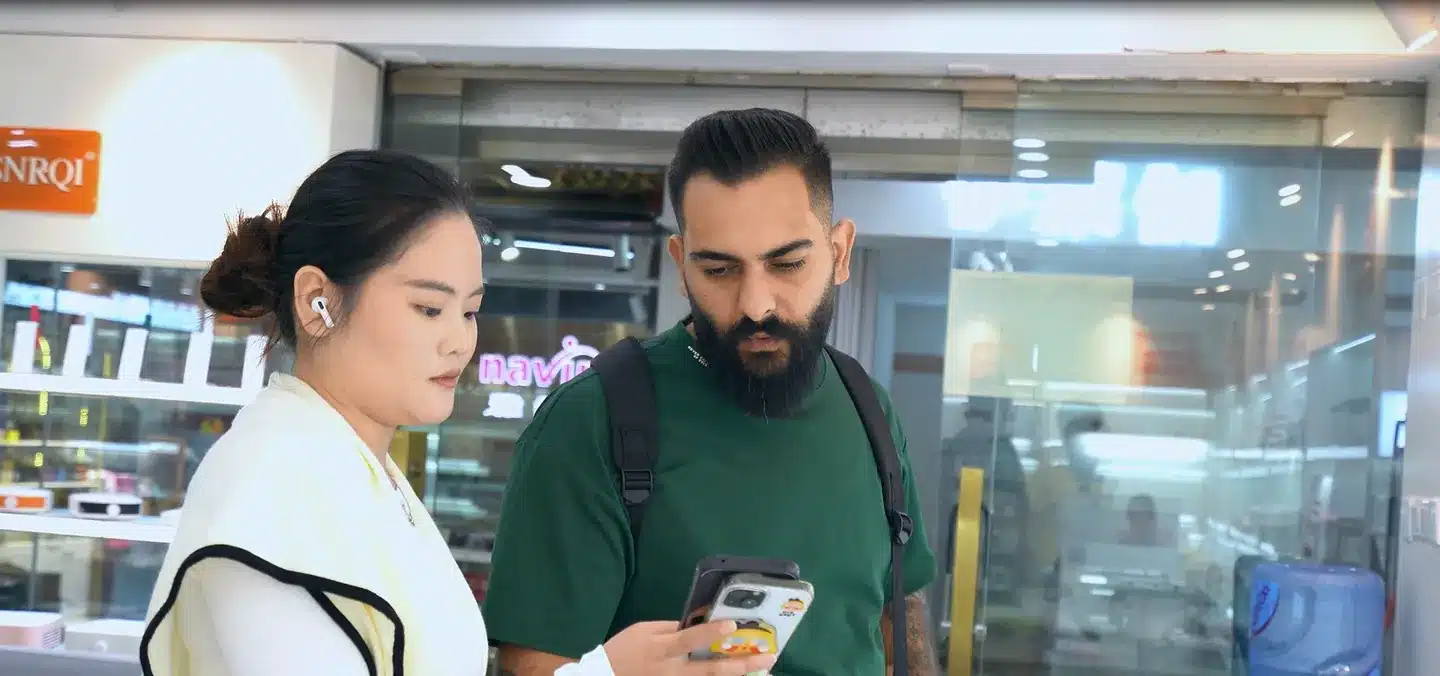
Submit your product requirements with the product type, destination market, quantity, packaging preference, target cost and required launch date. YIFA PLAZA will use those details to identify relevant supplier options and the documents to request at the quotation stage.
Official regulatory references
- European Commission: Cosmetics legislation
- US FDA: Cosmetic facility registration and product listing
- ISO 22716:2007 cosmetics GMP guidelines
Regulatory requirements vary by product, claim and destination. Confirm the final route with the responsible person or qualified regulatory adviser before placing the product on the market.
Industry context and editorial source
The local visit-planning context draws on the 2023 Guangzhou Cosmetics Industry White Paper, compiled by Nanfengchuang Media Think Tank and Guangzhou Institute of Quality Supervision and Testing, pp. 28–29. Its discussion of factory development and own-brand activity appears on pp. 115–117. The quotation questions above are YIFA PLAZA's editorial interpretation, not a checklist issued by the report's authors. The report describes its 2023 context; current factory addresses, access and capabilities require confirmation. Read the official publication report, 2 November 2023.